
Quick answer: Shared care, routines, social attachment and everyday companionship help explain why a dog feels like family. The feeling is meaningful without assuming we can read a dog’s thoughts or explain every interaction with one hormone.
There’s a moment every dog owner knows, even if you’ve never tried to put it into words.
It’s not the loud, obvious ones — the explosive tail wags when you grab the leash or the frantic barking at the mailman. It’s the quiet ones. The house is still. You walk into the room, and your dog is already there, watching you with this deep, steady gaze. Not distracted. Not casual. It’s the kind of look that says you matter more than anything else happening in their world.
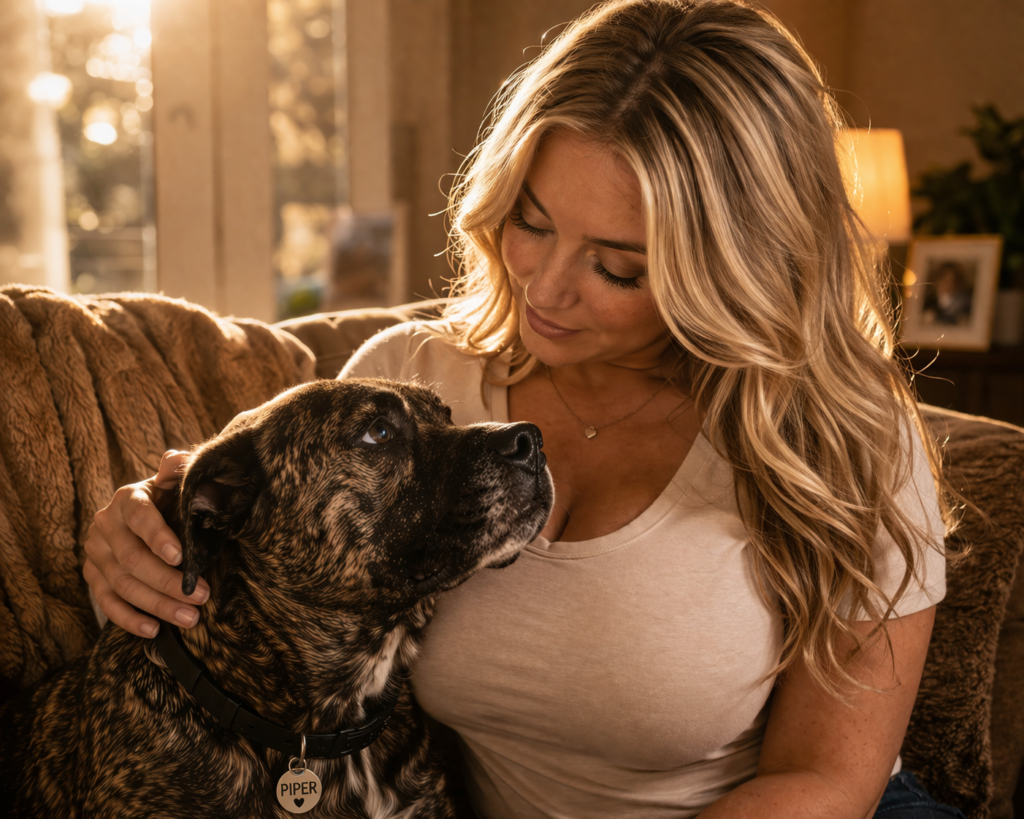
Piper does this every single morning. Before the coffee brews, before the phone lights up with the day’s demands, before anything else can pull me away — there she is. Head slightly tilted, eyes locked in like she’s doing some kind of emotional roll call. “Yep… still my human.”
And what’s wild is, it doesn’t feel like ownership. It doesn’t feel like responsibility. It feels like connection — pure, uncomplicated, and profoundly real.
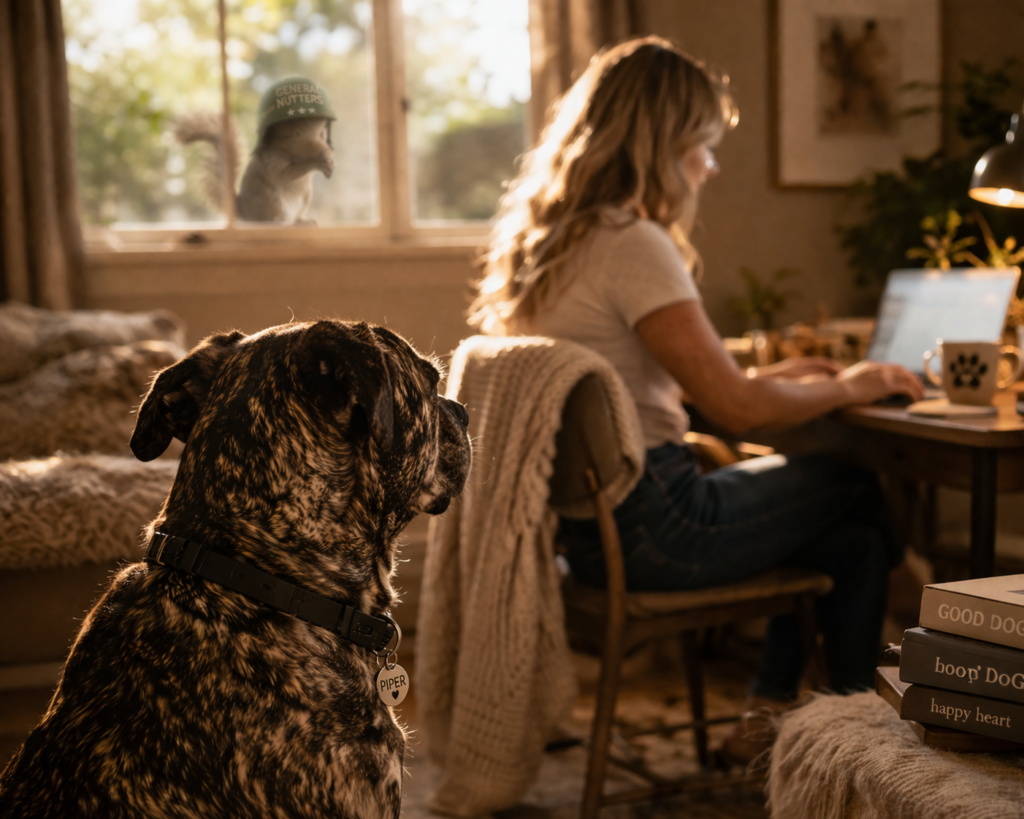
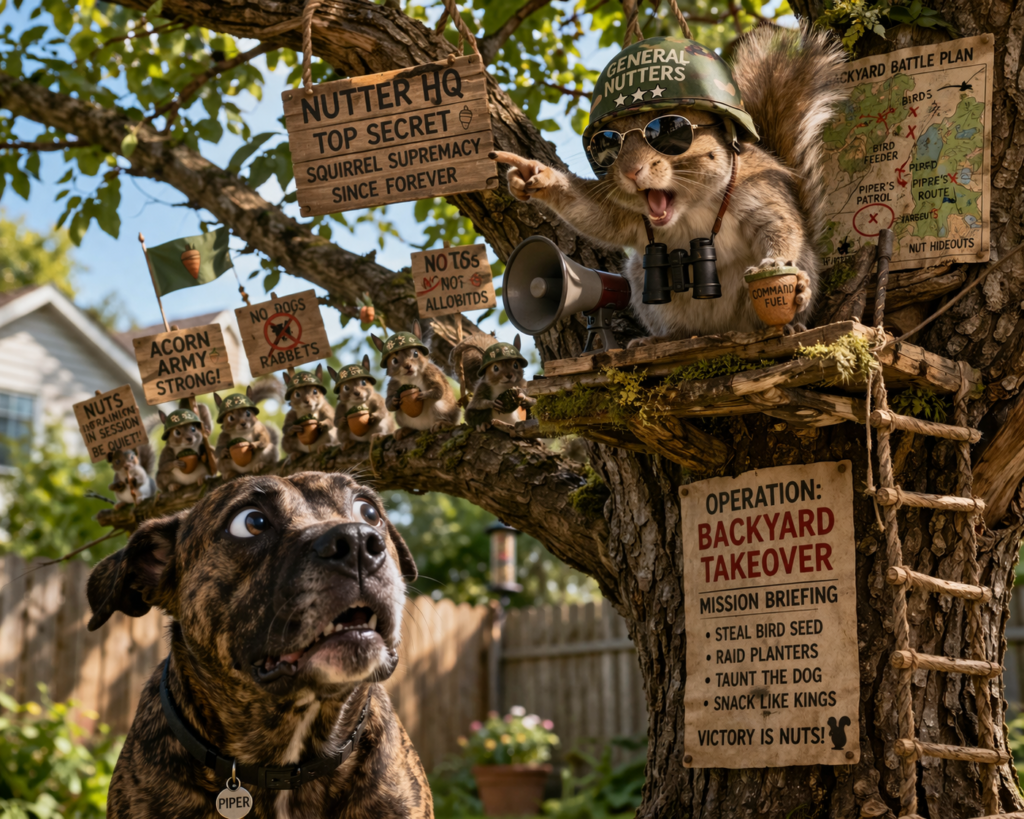
Meanwhile, out in the backyard, General Nutters — that fluffy-tailed, twitchy-nosed squirrel overlord — is probably holding a secret war council. He’s recruiting the entire rabbit clan, complete with tiny acorn helmets, motivational carrot speeches, and dramatic whisker-twirling, plotting to take over the world… or at least commandeer the garden and launch an all-out fluffy assault on Piper’s territory. I swear I’ve seen him standing on his hind legs like a tiny general, rallying his troops for the next daring backyard invasion with full military precision.
But Piper? She couldn’t care less about the impending rabbit apocalypse. She’ll abandon the entire battlefield in a heartbeat if I so much as shift in my chair. One quiet look from me, and the grand war is forgotten.
That’s when it hits you. This isn’t just a pet. This feels like family.
Why Do Dogs Feel Like Family? (Quick Answer)
Dogs can form close social bonds with familiar people. Attachment and gaze research offer evidence for parts of that relationship, but do not establish that dogs experience family, love or parenthood exactly as humans do.
They don’t see you as an owner. They see you as their whole world.
One of the biggest misunderstandings people have about the dog human bond is thinking the relationship is based mainly on control — food, shelter, commands. That’s the old way of looking at it.
But when you really step back and watch your dog — really watch them — you realize something far more beautiful is happening. They’re not just responding to you. They’re tracking you. They notice when your shoulders drop after a long day. They sense the subtle shift in your voice or the way you sit in a different chair than usual. Their entire day quietly organizes itself around your presence.
That’s not obedience. That’s attachment. And once you start exploring the full BarkMindDogs Behavioral Framework (also known as dog behavior explained — why your dog does that), you begin to see your dog less like a pet and more like a relationship you’re both actively nurturing. This is exactly why dogs feel like family — and why the bond feels so unbreakable.
The Science Behind the Bond (Yes, This Is Real)
What feels so deeply emotional is actually rooted in biology that science has only recently begun to fully understand — and it’s one of the most fascinating aspects of why dogs feel like family.
A 2015 study by Nagasawa and colleagues linked dog-owner gaze and oxytocin changes under particular study conditions. It does not show that every stare raises oxytocin or has the same emotional meaning.
Dogs are pack animals by nature, but in our homes, the pack has transformed. They don’t just see you as part of their pack — they often see you as the center of it. You become their source of safety, predictability, and emotional security. Attachment theory explains this perfectly: dogs form secure attachments to their owners much like children do with parents, using you as a safe haven during stress and a secure base for exploration.
This is why behaviors that might look like “clinginess” on the surface are often something much sweeter: a dog trying to stay close to the one thing that makes their world feel right. Topics like why dogs follow you everywhere and dog anxiety and bonding patterns (covered in depth in our guide to separation anxiety in dogs) help illuminate this — because what feels like neediness is frequently just profound trust.
Piper isn’t following me because she’s bored. She’s following me because, in her mind, that’s where life happens — where safety lives, where joy begins, and where she belongs. General Nutters can plot world domination all he wants with his acorn-helmet army; Piper has already chosen her side, and it’s right here beside me.
Why Your Dog Chose You (And Keeps Choosing You Every Day)
Out of everyone in the house, your dog doesn’t connect with everyone the same way. There’s usually that one person — the favorite — the one they watch more closely, sit beside more often, and check on more frequently.
It’s not random. Dogs bond through scent recognition (your unique smell becomes their ultimate comfort), consistent routines, and the way you make them feel emotionally understood. The more stable and present you are, the more deeply they anchor themselves to you. This selective attachment is a key reason why dogs feel like family — they don’t just tolerate us; they actively choose us.
That’s why learning about understanding your dog’s emotions within the behavioral framework can completely transform how you see their behavior. Once you recognize the subtle ways they read you, you can’t unsee the quiet devotion.
That moment when they walk into the room just to make sure you’re still there? That’s not habit. That’s connection choosing you, day after day — even when the rabbit clan is mustering forces just beyond the fence.
And if you’ve ever noticed your dog doing exactly that, you’ll probably smile at this breakdown: why your dog randomly checks to see if you’re still alive (yes, they actually do this and it’s hilarious).
Your Dog Is Watching You More Than You Realize
This is the part that often catches people off guard.
Your dog is a master observer. They read your posture, your breathing, the tone in your voice, and the tiny changes in your daily rhythm. They’re constantly adjusting — offering comfort when you’re down, excitement when you’re happy, and calm when the world feels heavy.
Predictable routines and appropriate learning experiences may support a dog’s comfort. Persistent anxiety is not guaranteed to disappear with routine alone. Related links: dog routines and structure · how dogs learn.
Why This Bond Feels So Deep (And Why It Hits So Hard)
There’s a reason the thought of losing a dog can bring tears faster than almost anything else. It’s not just companionship. It’s the unwavering consistency they offer in a world that rarely stays the same.
Dogs don’t judge your bad days. They don’t tally your mistakes or hold grudges. They don’t need long explanations or apologies. They simply stay — showing up with the same loyal eyes, the same joyful greeting, the same quiet presence that says, “I’m here. You’re my person. That’s enough.”
In a fast, often critical world — and while General Nutters schemes his next fluffy uprising with carrot battle cries and acorn helmets — that kind of non-judgmental love hits the heart hard. It feels like family because, in the most meaningful ways, it is. This is the powerful truth behind why dogs feel like family: they give us a love that’s pure, present, and unconditional.
Products That Strengthen the Bond (And Calm the Chaos)
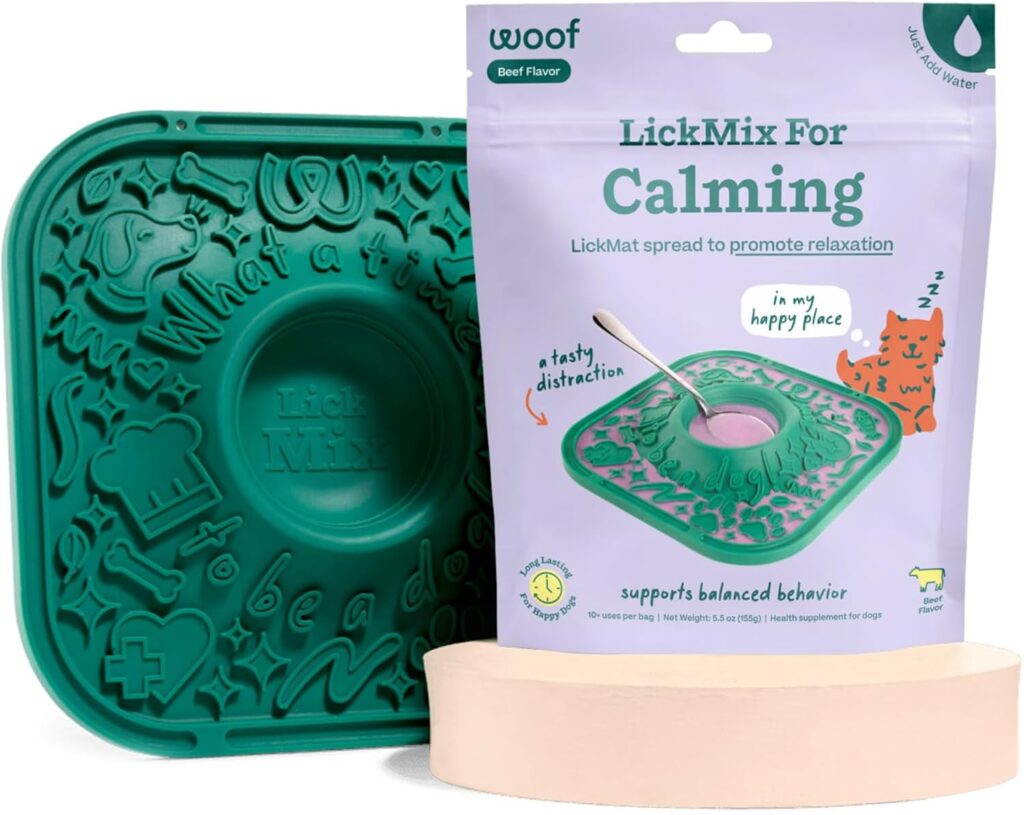
Sometimes the deepest parts of the dog human bond grow in the smallest, most intentional moments — especially when anxiety, overstimulation, or separation creep in. These aren’t just “toys.” They’re gentle tools that help reduce stress, create calm shared time, and let your dog feel secure even when life gets busy (or when the backyard rabbit rebellion heats up). Many owners find they ease leaving-home guilt while opening up more joyful, present connection — turning “why does my dog get sad when I leave” into “look how happy and calm they are now.”
A lick mat may offer supervised food enrichment for a dog that enjoys it. Use dog-safe food, avoid xylitol, count treats toward daily intake and check for chewing or swallowing risks. It is not an established treatment for separation anxiety. Related links: Calming Silicone Dog Lick Mat · (Affiliate Disclosure).
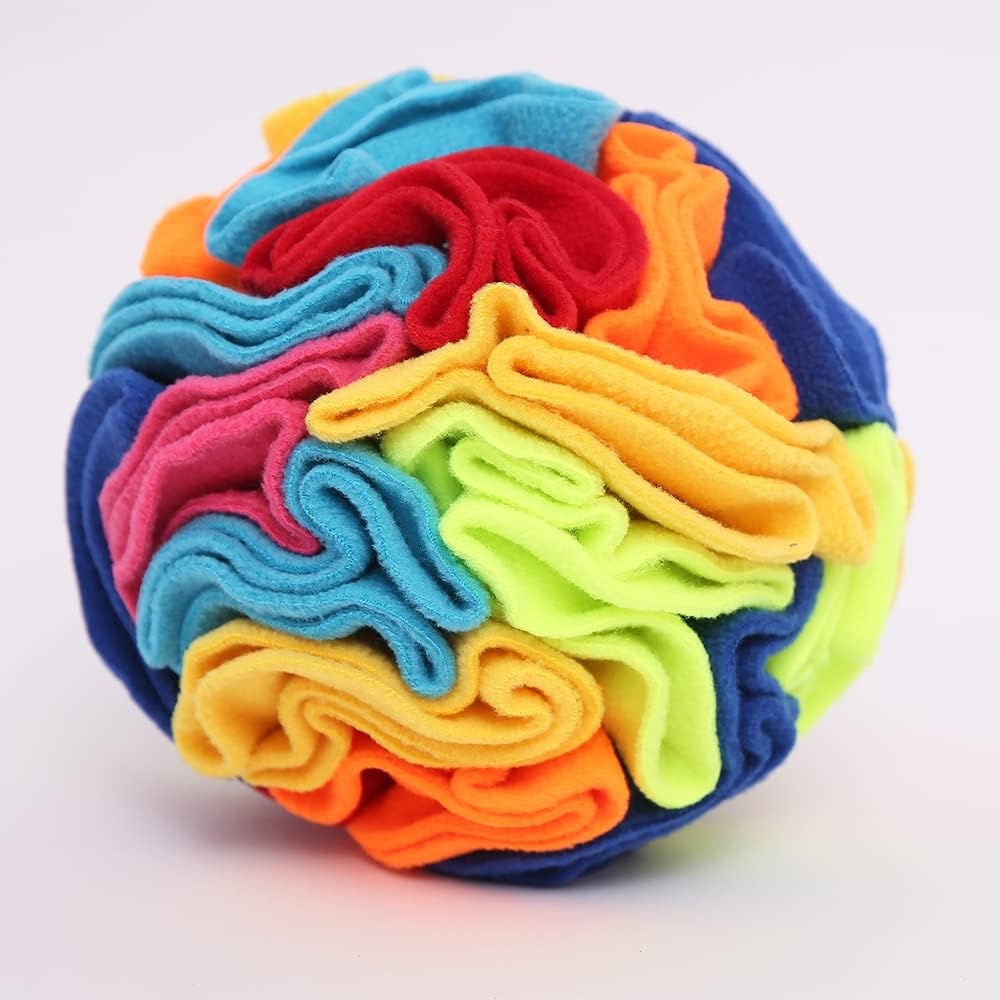
The Snuffle Ball Enrichment Toy Set (Affiliate Disclosure) taps into your dog’s incredible sense of smell and natural foraging instincts. Instead of gulping down meals, they sniff and hunt for hidden treats. It provides wonderful mental stimulation that tires them out in the best way, reduces boredom-driven behaviors, and creates fun interactive play sessions you can enjoy together. That shared “we’re figuring this out” energy strengthens your bond in such a natural, happy way — perfect for redirecting all that backyard vigilance into playful focus.
And for when you do need to leave the house, a Treat Dispensing Dog Toy (Affiliate Disclosure) can make all the difference. Fill it with kibble or treats, and your dog has a rewarding job to focus on instead of worrying about your absence (or whatever General Nutters might be up to). So many parents report less destructive “I miss you” behavior and a calmer reunion — which means less guilt on your end and more enthusiastic tail-wags when you walk back through the door, ready to reaffirm that unbreakable family bond.
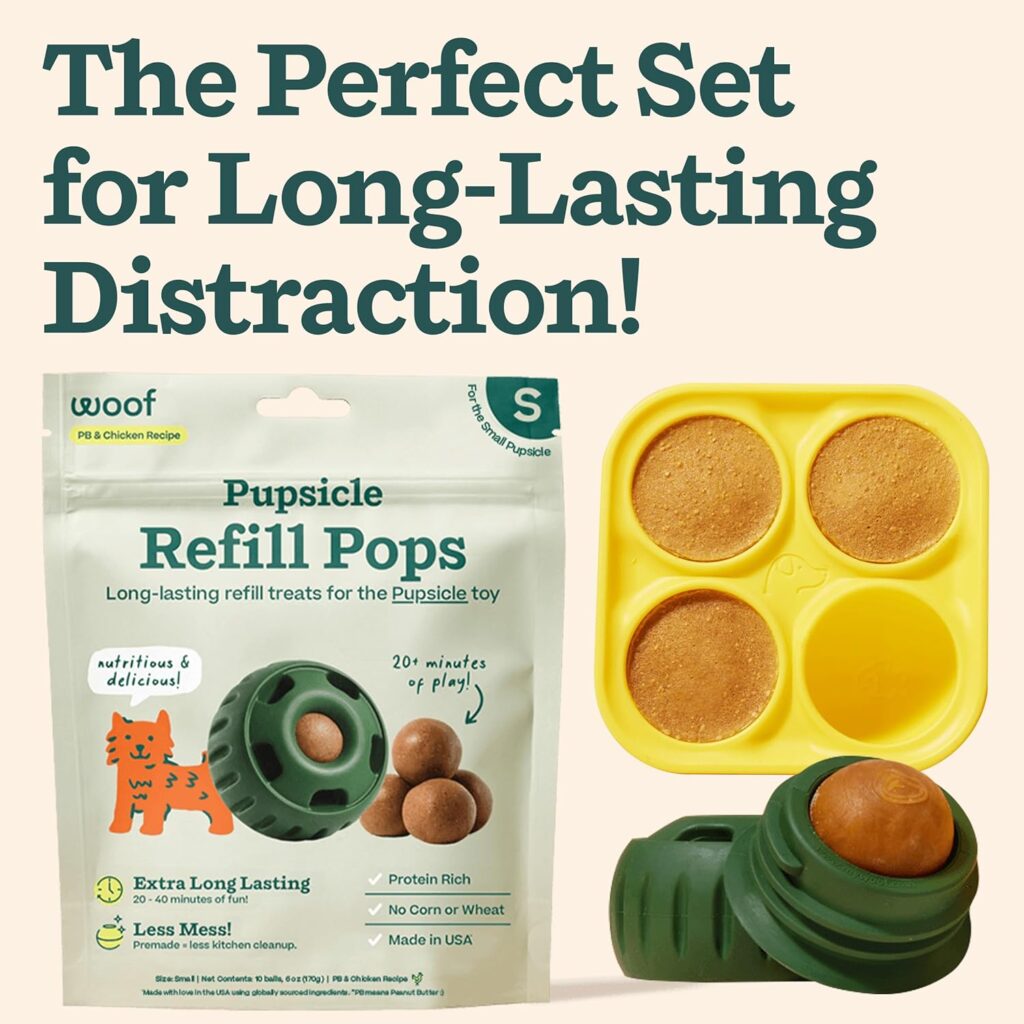
These small investments often pay off in bigger peace of mind and a happier, more connected dog — the kind who can fully lean into that family feeling without the weight of anxiety holding them back.
Frequently Asked Questions
Why do dogs feel like family members? Because they form deep emotional and chemical bonds with us that closely resemble human family relationships, supported by oxytocin and secure attachment.
Do dogs actually love their owners? Yes — they show genuine attachment, preference, and affection backed by hormone responses and behavioral science.
Why does my dog follow me everywhere? You represent their primary source of safety, routine, and emotional connection.
Do dogs think we are their parents? Dogs may use familiar caregivers as a source of security. That does not establish a human-like understanding of parenthood.
Why do dogs get attached to one person? Stronger bonds form through consistent care, emotional attunement, shared routines, and time together.
Can dogs sense emotions? They are remarkably tuned in to our facial expressions, tone of voice, and body language, often responding with care.
Why does my dog stare at me? Attention, expectation, learned routines and social interaction are possible reasons. Look at the whole situation rather than assuming every stare means affection.
Do dogs understand human feelings? They may not comprehend them exactly as we do, but they read and respond to emotional cues with surprising accuracy.
Why does my dog get sad when I leave? Your presence is their emotional anchor. Separation can feel like losing that sense of safety.
Do dogs bond like humans do? Their bonding processes overlap significantly with ours, especially through oxytocin-driven attachment.
Why does my dog sleep near me? It’s a beautiful expression of trust, security, and the desire to stay close to their favorite person.
Do dogs see us as part of their pack? Yes — often as the central, caregiving figure in their modern family pack.
Why does my dog check on me randomly? To reassure themselves that their most important relationship is still safe and present.
Can dogs feel empathy? They demonstrate emotional contagion and comforting behaviors when they sense our distress.
Why do dogs greet you like you’ve been gone forever? Because even short separations feel significant when you’re the center of their world. The reunion is pure relief and joy.
Do dogs understand love? They experience the feelings and behaviors of strong social bonding, even if they don’t label it the way we do.
Why do dogs become protective? Deep attachment makes you part of their family — someone worth safeguarding.
How do dogs choose their favorite person? Through trust built on consistency, positive emotional interaction, and meeting their needs for safety and fun.
Do dogs miss their owners? Yes. They form lasting memories and show clear signs of missing the person they’re bonded to.
Why does my dog act like my shadow? Because you are their reference point — their safe base for everything good in life.
Final Thought
If you’ve ever looked at your dog and thought… “You’re not just a pet… you’re family…”
You’re not imagining it. That bond is real, biologically rooted, and powerfully mutual.
Piper knows it every morning when she gives me that quiet, tilted-head look — choosing me over General Nutters’ latest dramatic rabbit recruitment drive with acorn helmets and carrot battle cries. You feel it in the way your dog leans into you after a hard day, ignoring whatever chaos brews beyond the fence.
And somewhere out there, General Nutters is still plotting his next fluffy conquest — but even he knows some bonds simply can’t be broken.
If this resonated with you, I’d love to hear your story in the comments. Does your dog have their own backyard nemesis? What quiet moment with your dog made you realize just how deeply they feel like family?
And if you want to understand your dog even more — or find more ways to nurture that incredible connection — come visit BarkMindDogs.com. We’re all in this together, one tail wag, one tilted head, one heartfelt gaze — and one laugh at the rabbit rebellion — at a time. 🐾
Research and context
Nagasawa et al. (2015): oxytocin, gaze and human-dog bonding examines one part of this relationship. For separation-related concerns, see Merck Veterinary Manual and our separation-anxiety guide. Affection and anxiety are not interchangeable diagnoses.
Pingback: 5 Dog Behaviors You’re Probably Misreading | Bark Mind Dogs